Comprehensive Guide: Reverse Cycle Air Conditioning
Reverse cycle air conditioning is one of the most popular climate control systems in Australia because it provides both heating and cooling from a single unit. Instead of installing separate systems for summer and winter, a reverse cycle air conditioner can keep your home comfortable all year round.
Whether you are planning a new system or upgrading an older unit, understanding how reverse cycle air conditioning works can help you choose the right solution for your home.
What Is Reverse Cycle Air Conditioning?
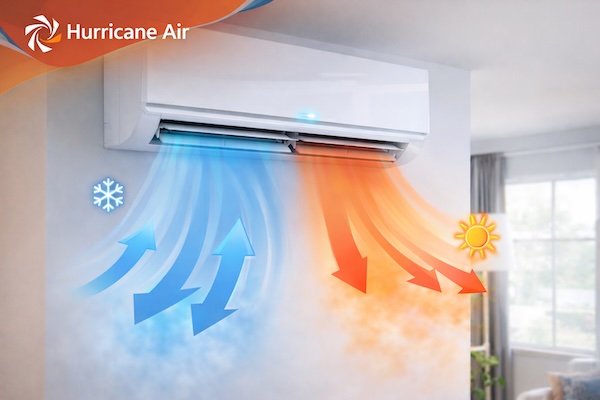
Reverse cycle air conditioning is a type of system that can cool your home in summer and heat it in winter by reversing the refrigeration cycle.
Traditional air conditioners remove heat from inside your home and release it outside. Reverse cycle systems can switch this process, allowing them to extract heat from outdoor air and transfer it inside when heating is required.
This means one system performs two functions:
- Cooling during hot weather
- Heating during cooler months
Because the system moves heat instead of generating it directly, reverse cycle air conditioning is typically more energy efficient than many traditional heating options.
How Reverse Cycle Air Conditioning Works
Reverse cycle systems operate using a heat pump and refrigerant cycle that transfers heat between indoor and outdoor units.
The process typically works as follows.
Heat absorption
The outdoor unit absorbs heat energy from the surrounding air using refrigerant.
Compression
The refrigerant is compressed, increasing its temperature significantly.
Heat transfer
The heated refrigerant moves to the indoor unit where the heat is released into your home.
Cycle reversal
When cooling is needed, the system reverses the process, removing heat from inside the house and transferring it outdoors.
Even during cooler weather, outdoor air still contains heat energy, which allows reverse cycle systems to provide effective heating.
Types of Reverse Cycle Air Conditioners
There are several types of reverse cycle systems available depending on your home size and how many rooms you want to control.
Split system reverse cycle air conditioners
Split systems are the most common option for Australian homes. They consist of:
- One indoor unit
- One outdoor unit
They are ideal for heating or cooling individual rooms or open living areas. If you are installing a new split system, professional air conditioner installation ensures the unit is correctly sized and positioned for maximum efficiency.
Multi-split systems
Multi-split systems allow several indoor units to connect to a single outdoor unit. This lets you control the temperature in multiple rooms independently.
Ducted reverse cycle systems
Ducted systems distribute air throughout the home using ceiling or floor ducts. They are designed for whole-home heating and cooling, making them ideal for larger houses.
Benefits of Reverse Cycle Air Conditioning
Reverse cycle systems offer several advantages compared with traditional heating or cooling methods.
Year-round comfort
Because one system provides both heating and cooling, reverse cycle air conditioning can maintain comfortable temperatures throughout the year.
Energy efficiency
Reverse cycle systems are highly efficient because they transfer heat instead of generating it. Many units can deliver multiple units of heating or cooling for every unit of electricity used.
Lower running costs
Due to their efficiency, reverse cycle air conditioners can be cheaper to run than many electric heaters and older air conditioning systems.
Improved air quality
Most modern systems include filters that help remove dust and airborne particles from the air, improving indoor comfort.
Precise temperature control
Modern systems allow you to set exact temperatures, schedule operating times, and sometimes even control the system through smartphone apps.
Are Reverse Cycle Air Conditioners Energy Efficient?
Yes. Reverse cycle air conditioners are widely considered one of the most energy-efficient heating options available.
Electric heaters generate heat directly, which can consume large amounts of power. Reverse cycle air conditioners instead move heat from one location to another, making them far more efficient.
This efficiency can help households reduce electricity usage while maintaining comfortable indoor temperatures.
Reverse Cycle Air Conditioning vs Traditional Air Conditioning
| Feature | Reverse Cycle Air Conditioning | Cooling-Only Air Conditioning |
|---|---|---|
| Cooling | Yes | Yes |
| Heating | Yes | No |
| Year-round use | Yes | No |
| Energy efficiency | High | Moderate |
Because reverse cycle systems can both heat and cool a home, they are often the preferred option for Australian households.
Maintenance and Servicing
Like any appliance, air conditioning systems perform best when they are regularly serviced.
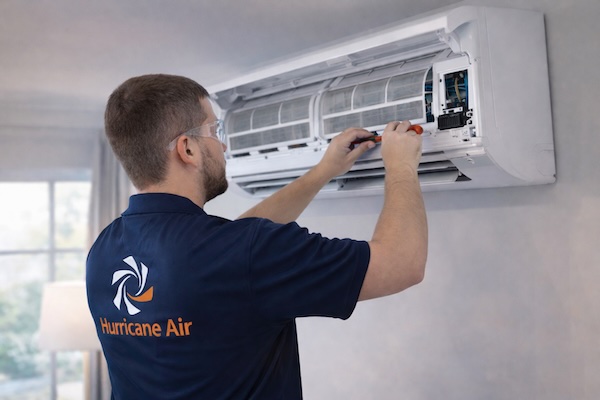
Routine air conditioner maintenance helps ensure your system runs efficiently and reliably. Servicing typically includes:
- Cleaning filters
- Checking refrigerant levels
- Inspecting electrical components
- Ensuring proper airflow
Regular maintenance can also extend the lifespan of your system and prevent unexpected breakdowns.
Common Reverse Cycle Air Conditioning Issues
Although reverse cycle systems are reliable, problems can occasionally occur. Some common issues include:
- Reduced airflow
- Unusual noises
- Poor heating or cooling performance
- Refrigerant leaks
- Electrical faults
When problems arise, professional air conditioner repair can diagnose and resolve the issue quickly, helping restore comfort to your home.
Is Reverse Cycle Air Conditioning Right for Your Home?
Reverse cycle air conditioning is suitable for many homes, particularly if you want:
- One system for heating and cooling
- Energy-efficient climate control
- Consistent indoor temperatures year-round
- Reduced reliance on separate heating appliances
Choosing the right system size and type is important to ensure optimal performance. If you are unsure which option suits your home, professional air conditioning services can help assess your needs and recommend the best solution.
Air Conditioning Experts in Perth
Reverse cycle air conditioning is one of the most versatile and efficient ways to heat and cool Australian homes. By transferring heat rather than generating it directly, these systems provide reliable year-round comfort while helping reduce energy consumption.
Whether you are installing a new system or maintaining an existing one, understanding how reverse cycle air conditioning works can help you make informed decisions about your home’s climate control.
Need a new air conditioner or maintenance on a current air conditioner? Get in touch with our expert team today!
