
What Is HVAC and How Does It Work?
Heating, ventilation and air conditioning, commonly referred to as HVAC, is the system used to control temperature, airflow, and air quality inside a building. It keeps indoor spaces comfortable in both hot and cold conditions while also ensuring the air you breathe is clean and properly circulated.
In simple terms, HVAC is what heats your home in winter, cools it in summer, and keeps fresh air moving throughout the space. If you are considering upgrading or installing a system, it helps to understand how professional air conditioning services bring these elements together.
Quick Summary
- HVAC stands for heating, ventilation and air conditioning
- It controls temperature, airflow, and indoor air quality
- Used in homes, offices, shops, and industrial buildings
- Includes systems like split air conditioners, ducted systems, and ventilation units
- Helps improve comfort, health, and energy efficiency
What Does HVAC Actually Do?
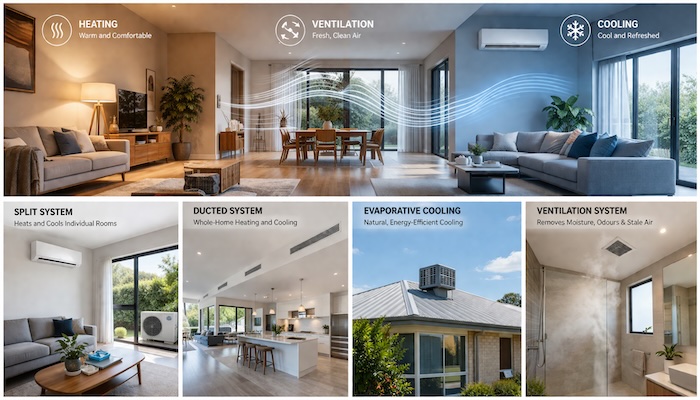
An HVAC system is responsible for three key functions working together:
Heating
Heating systems keep indoor spaces warm during colder months. This can include electric heaters, gas furnaces, or reverse cycle air conditioners.
Example: On a cold winter morning, your HVAC system warms your home so it stays comfortable without needing portable heaters in every room.
Ventilation
Ventilation controls airflow by bringing fresh air in and removing stale air, moisture, and pollutants.
Example: In a bathroom or kitchen, ventilation systems remove steam, odours, and airborne particles so the space doesn’t become damp or unhealthy.
Air Conditioning
Air conditioning cools indoor spaces and helps regulate humidity during hot weather.
Example: During a hot summer day, your system lowers the temperature and keeps humidity levels manageable so your home stays comfortable.
How HVAC Systems Work Together
While each component has its own role, they are designed to work as one system.
- Heating adjusts indoor temperature when it’s cold
- Cooling reduces heat when it’s hot
- Ventilation keeps air fresh and balanced
Think of it like a car’s climate control. You don’t manage each function separately, the system works together to maintain a consistent environment automatically.
Common Types of HVAC Systems
Split System Air Conditioning
- Most common in Australian homes
- Indoor unit mounted on a wall, outdoor unit outside
- Can both heat and cool (reverse cycle)
- Ideal for single rooms or small areas
- Commonly installed through professional air conditioner installation
Ducted Air Conditioning Systems
- Central system that distributes air through ducts
- Provides whole-home heating and cooling
- Controlled via a central thermostat or zones
- Clean, discreet appearance with ceiling vents
Evaporative Cooling Systems
- Uses water to cool air naturally
- Works well in dry climates like Perth
- Lower running costs than refrigerated systems
- Requires airflow through open windows or vents
Ventilation Systems
- Includes exhaust fans and mechanical ventilation
- Removes stale air and introduces fresh air
- Helps control moisture, mould, and air quality
- Often integrated into modern homes
Why HVAC Systems Matter
A properly designed HVAC system does more than just control temperature.
Comfort
Keeps your home or workplace at a consistent, comfortable temperature year-round.
Air Quality
Filters dust, allergens, and pollutants, improving the air you breathe.
Energy Efficiency
Modern systems are designed to use less energy, reducing running costs.
Health
Proper ventilation reduces moisture, mould, and airborne contaminants.
HVAC Maintenance and Performance
Even the best HVAC system needs regular servicing to perform properly. Without maintenance, systems can become less efficient, more expensive to run, and more likely to break down.
Routine air conditioner maintenance helps:
- Improve energy efficiency
- Extend system lifespan
- Maintain air quality
- Prevent costly repairs
HVAC in Australian Homes
In Australia, especially in Perth, HVAC systems are often tailored to the climate:
- Reverse cycle systems are popular due to their flexibility
- Evaporative cooling is widely used because of dry summers
- Ventilation is important for managing airflow and heat
Choosing the right system depends on your home size, layout, and how you use each space.

When Do You Need an HVAC System?
You may need to install or upgrade your HVAC system if:
- Your home struggles to stay cool in summer or warm in winter
- Energy bills are increasing due to inefficient systems
- You notice poor airflow or stale air indoors
- You are building or renovating
If you are unsure what system is right for your home, it is best to speak with a professional or contact a local expert for tailored advice.
Get Advice from Licensed HVAC Experts
Whether you are installing a new system, upgrading an existing one, or simply want to improve performance, getting expert advice makes a big difference.
From tailored recommendations to professional installation and ongoing servicing, working with experienced technicians ensures your system runs efficiently and lasts longer.
If you are ready to improve your home’s comfort, get in touch today through the contact page or explore your options with trusted air conditioning services.
